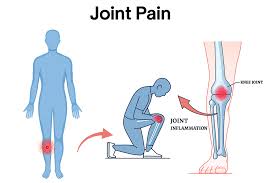
Article Title: Why Joint Discomfort Can Develop in Everyday Life
Joint pain is a common reason people begin paying closer attention to their physical health. It can affect the knees, hips, shoulders, hands, feet, or other parts of the body, and it may appear gradually or more suddenly depending on the situation. Because joint discomfort can have many possible causes, it is often helpful to look at the broader context rather than assume a single explanation. Understanding some of the more common factors can make it easier to decide when symptoms deserve closer attention.
One possible cause of joint pain is overuse. Repetitive movement at work, sports activities, exercise routines, or physically demanding chores can place repeated stress on a joint over time. This does not always lead to a serious problem, but it can contribute to soreness, stiffness, or irritation, especially if the body does not get enough recovery time. People who spend long periods lifting, kneeling, typing, gripping tools, or standing may notice that certain joints become uncomfortable more often.
Age-related changes are another common factor. As people get older, the structures that support joint movement may naturally change over time. Cartilage, muscles, tendons, and surrounding tissues may no longer respond in exactly the same way as they did earlier in life. This does not mean joint pain is an unavoidable part of aging, but it does help explain why some people begin to notice stiffness or discomfort more often in middle age or later years.
Inflammation may also play a role in some cases. A joint can feel painful, warm, or swollen when irritation affects the tissues around it. Sometimes this happens after strain or injury, while in other situations it may be related to an underlying medical condition. Because inflammation has many possible causes, it is often important to look at the pattern of symptoms rather than focus on one day of discomfort alone.
Previous injuries can also contribute to later joint pain. A person who has had a sprain, fracture, sports injury, or repetitive strain issue in the past may notice discomfort returning from time to time. Even if the original injury seemed to heal well, the joint may remain more sensitive under certain conditions, such as cold weather, heavy activity, or prolonged inactivity.
Body weight may influence joint comfort as well, especially in weight-bearing areas such as the knees, hips, and lower back. Extra pressure over time can affect how joints feel during movement and rest. At the same time, body weight is only one factor. Muscle strength, posture, daily movement, and past injuries can all contribute to how a joint responds in everyday life.
Posture and body mechanics are also worth considering. The way a person sits, stands, walks, lifts, or sleeps may influence joint strain. For example, poor workstation setup, long periods in one position, or uneven movement patterns may gradually affect joint comfort. These issues are common in both office settings and physically demanding jobs.
Temporary illness or broader health conditions may also affect the joints. In some cases, joint pain appears alongside fatigue, swelling, stiffness, or other general symptoms. When discomfort is part of a larger pattern rather than an isolated issue, it may be more useful to discuss it with a healthcare professional.
It is important to remember that joint pain does not always point to the same cause in every person. Two people may describe similar discomfort while having very different underlying reasons. That is why details such as location, timing, severity, and related symptoms are often more useful than general assumptions.
Keeping track of what seems to make pain better or worse can help build a clearer picture. Some people notice more discomfort after activity, while others feel worse after sitting still for long periods. Observing these patterns can be helpful during a medical visit if symptoms continue.
Understanding common causes of joint pain can help people respond thoughtfully rather than ignore symptoms or jump to conclusions. While mild discomfort may sometimes improve with rest and routine adjustments, persistent or changing pain is often worth discussing so the cause can be evaluated more clearly.